

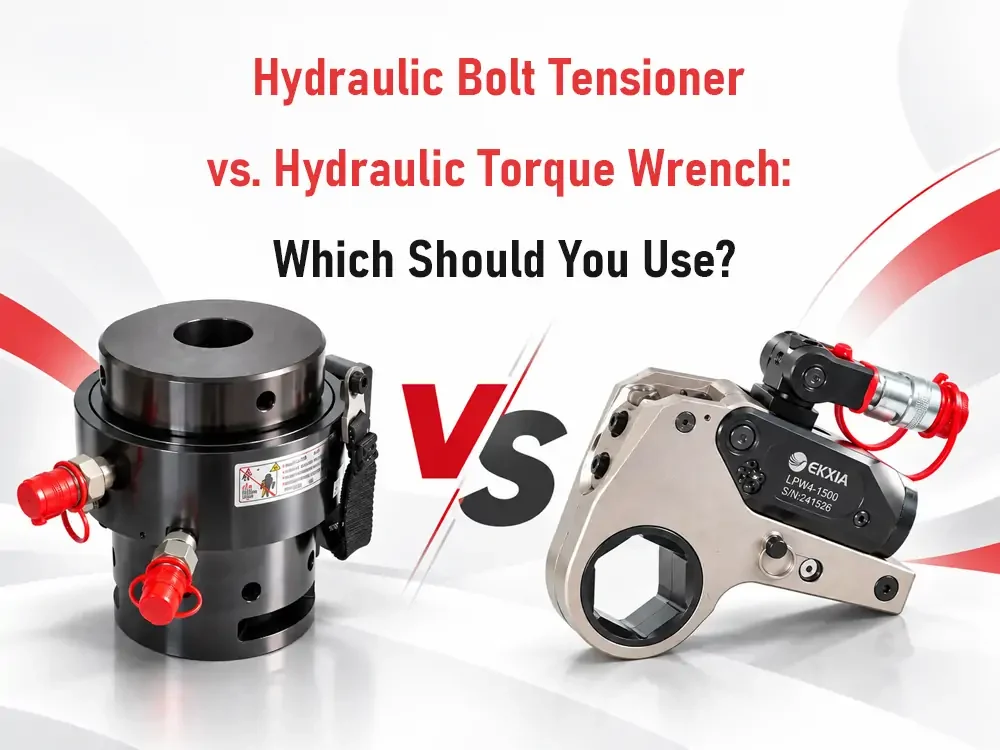
This is a comparison guide between hydraulic bolt tensioners and hydraulic torque wrenches. It contrasts the two tools across aspects such as operating principles, accuracy, the impact of friction, reaction force, tightening speed, and portability to help you select the right tool.
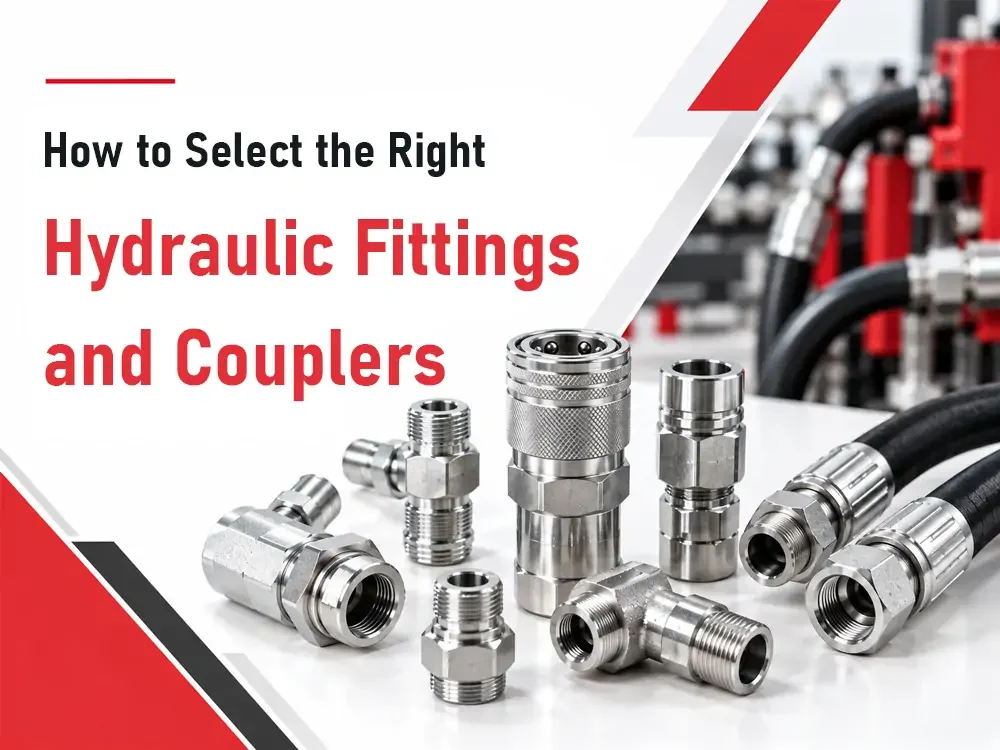
This is a guide on how to select the right hydraulic fittings and quick-connect couplings. The article distinguishes between the two types of components and offers ten practical selection tips. These recommendations cover aspects such as assessing operating conditions, matching sizes and threads, selecting materials, evaluating pressure and flow rates, and ensuring compatibility. Following these tips helps users prevent system failures and ensures safe, reliable connections.
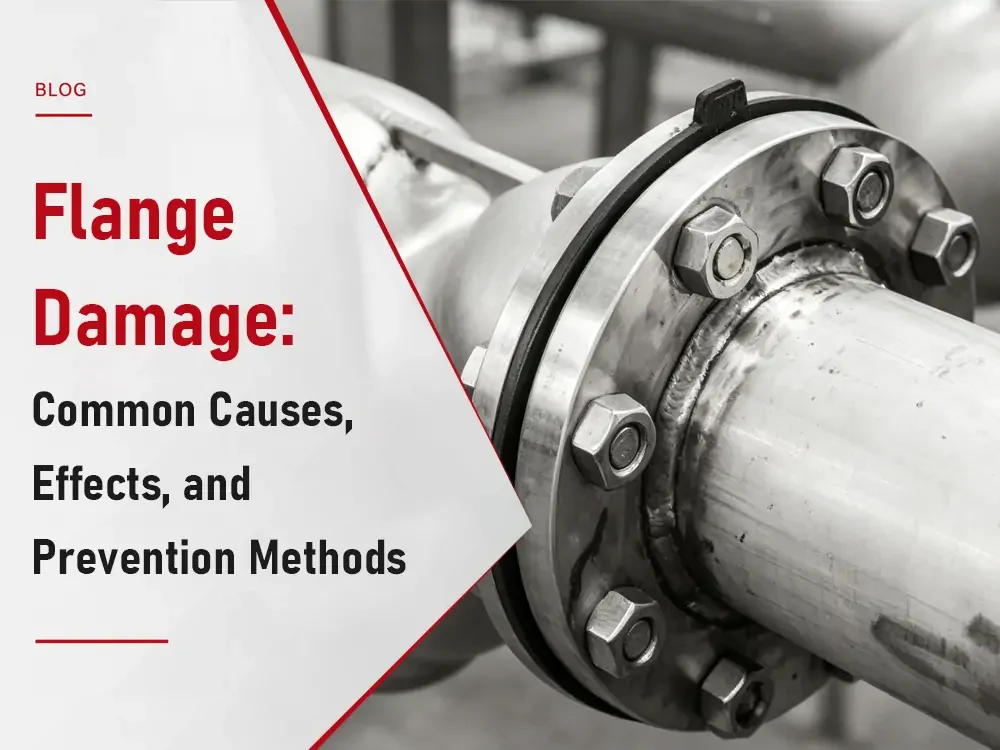
This guide outlines the common causes, consequences, and prevention methods regarding flange damage. It analyzes key causes of damage—such as improper installation, excessive bolt torque, misalignment, and corrosion—and discusses consequences including leakage, pressure loss, and safety hazards. Additionally, it provides preventive measures such as proper material selection, standardized installation, and protective measures.

This is a comprehensive guide for the maintenance of hydraulic cylinders. The article introduces the main components of the hydraulic cylinder, including the cylinder barrel, piston rod, piston, and seals. It elaborates on the step-by-step maintenance process, covering problem diagnosis, disassembly and cleaning, as well as repair and replacement. The article also lists common maintenance items and troubleshooting methods. These contents help users efficiently restore the performance of the hydraulic cylinder.

This article compares impact sockets and regular sockets. Although they look similar, they serve different purposes. The article outlines their respective applications and provides purchasing recommendations.

Mining is an important activity for extracting ores, coal, and other minerals. However, this process is not as simple as it may seem. Why? The reason is that mining involves a wide range of equipment and machinery. If any of this machinery or equipment goes out of order, it can significantly affect the entire mining operation. That’s where the mining equipment checklist becomes essential.
This checklist lists tools and machines used to inspect various mining machines. Maintenance contractors typically use this checklist to keep mining machines well-maintained. Mining machines with inspections don’t fail during mining operations. In this article, I will discuss this mining equipment checklist in detail.

Bolts and fasteners are crucial tools used for the proper assembly of materials. Whether you are assembling machine components or a small tool, using the correct bolt-tightening sequence can help secure them. Most people just focus on torquing the bolts, which is correct, but the wrong sequence can cause imbalance and even accidents.
Therefore, the correct sequence and tightening torque ensure user safety. We will understand the bolt-tightening sequences, evaluate the different steps, and know why each is necessary. Let’s have a detailed discussion.

Modern machinery relies on a hydraulic system for its operations. However, this hydraulic system is incomplete if its hydraulic cylinder is not working properly. In some cases, this cylinder can fail, causing the hydraulic system to malfunction. It is worth noting that hydraulic cylinder failure is uncommon.
However, nothing is perfect, so neither are hydraulic cylinders. If the hydraulic system remains ignored over time or has aged enough, its hydraulic cylinder can develop issues. However, the good news is that the common issue with hydraulic cylinders can be fixed. In this article, I will discuss common hydraulic cylinder failures, their causes, symptoms, and solutions. Let’s get started.

Interestingly, various factors influence the selection of hydraulic cylinders. These include required force, stroke length, speed, and more. In this article, I will discuss essential factors to consider when choosing the right hydraulic cylinder. Remember, you must consider each of these factors to ensure you get the right hydraulic cylinder.

Hydraulic cylinders are a must-have in modern machinery. They help equipment lift, push, pull, and move heavy loads with ease without the need for human effort. For all these tasks, these cylinders are built from very strong, reliable material. But it does not mean they last forever. Over time, the seal inside the cylinder wears out and needs repacking. But if you are new to this process, you might wonder: How to repack a Hydraulic Cylinder in the right way? If it feels technical to you, worry not! In this guide, I will discuss the entire repacking of hydraulic cylinders. So let’s get started.